
-
SICEM 2027
SICEM 2027
- Program
- Abstracts
-
Participation
Participation
- Venue
-
News & Gallery
News & Gallery
 LOG IN
 SIGN UP
 KES
KESScientific program
Diabetes/Obesity/Lipid (clinical)
-
Symposium 1
The new era of ultra-long acting cardiometabolic therapies
Day 2, Friday, April 10, 08:30-10:00 / Room 1
Overview
-
The session reviews the mechanisms, clinical evidence, and practical use of ultra-long acting therapies transforming metabolic disease management. It covers weekly basal insulin icodec, the first monthly GLP-1RA maridebart cafraglutide, and twice-yearly siRNA-based LDL-lowering therapy with inclisiran.
Experts will discuss how these agents simplify care and improve cardiometabolic outcomes.
The session aims to provide practical guidance for clinical application.
Chairpersons : Sungrae Kim (The Catholic University of Korea, Korea), Sang-Hyun Kim (Seoul National University, Korea)
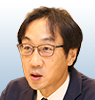
08:30-09:00
Experience in Japan with the introduction of once-weekly insulin therapy
Hirotaka Watada (Juntendo University, Japan)

09:00-09:30
Maridebart cafraglutide (MariTide) – the first monthly engineered nutrient-stimulated hormone (NUSH)
Chang Hee Jung (University of Ulsan, Korea)

09:30-10:00
siRNA-based lipid-lowering therapies: A new era of ultra-long-acting LDL control
Youngwoo Jang (Gachon University, Korea)
-
Symposium 4
Overcoming the limitations of current GLP-1 receptor agonists
Day 2, Friday, April 10, 13:40-15:10 / Room 1
Overview
-
This symposium will address new strategies to enhance the efficacy of GLP-1 receptor agonists and overcome their limitations.
Prof. Stephan Jacob will present clinical insights on retatrutide, a triple GLP-1/GIP/glucagon receptor agonist; Prof. Jang Won Son will discuss econoglutide, a biased GLP-1 receptor agonist; and Prof. Jae Hyun Bae will focus on CagriSema, a fixed-dose combination of cagrilintide and semaglutide. This session will highlight the clinical significance and therapeutic potential of next-generation agents for advancing the treatment of metabolic diseases.
Chairpersons : Bong-Soo Cha (Yonsei University, Korea), Soo Lim (Seoul National University, Korea)

13:40-14:10
Retatrutide – triple agonism targeting the boundaries of GLP-1RA efficacy
Se Hee Min (University of Ulsan, Korea)

14:10-14:40
Ecnoglutide: Using biased GLP-1 receptor signaling to improve efficacy and tolerability
Jang Won Son (The Catholic University of Korea, Korea)

14:40-15:10
CagriSema: A synergistic approach to greater weight loss and metabolic health
Jae Hyun Bae (Seoul National University, Korea)
-
Symposium 9
Genetic, epigenetic, and environmental interactions in metabolic disorders
Day 3, Saturday, April 11, 08:30-10:00 / Room 1
Overview
-
This session explores the multifaceted origins of metabolic disorders by integrating genetic predispositions, epigenetic regulations, and environmental influences. Experts will discuss how polygenic risk scores define obesity endotypes, how epigenetic mechanisms in adipose tissue drive insulin resistance, and how the exposome interacts with lifestyle to shape metabolic health. By bridging the gap between innate susceptibility and external factors, this symposium provides a comprehensive framework for the future of precision medicine in endocrinology. This integrative approach offers vital insights into personalized strategies for the prevention and treatment of complex metabolic diseases.
Chairpersons : Hyuk-Sang Kwon (The Catholic University of Korea, Korea), Jong Chul Won (Gimpo Woori Hospital, Korea)

08:30-09:00
Large-scale multivariate GWAS, polygenic risk, and obesity endotypes
Hong-Hee Won (Sungkyunkwan University, Korea)

09:00-09:30
Epigenetic regulation of insulin sensitivity
Sona Kang (University of California, Berkeley, USA)

09:30-10:00
Exposome, lifestyle, and gene–environment interactions in metabolic disorders
Jae-Seung Yun (The Catholic University of Korea, Korea)
-
Clinical Update 4
Transforming diabetes management with connected devices
Day 3, Saturday, April 11, 14:50-16:20 / Room 1
Overview
-
This session covers the latest developments in connected devices that are changing the way we manage diabetes. First, we will look at how fully closed loop insulin delivery systems are being used in patients with type 2 diabetes, along with recent clinical evidence. Next, we will explore the use of smart insulin pens and their clinical benefits in type 1 diabetes and advanced type 2 diabetes requiring insulin therapy. We will also introduce current trends in continuous glucose monitoring (CGM) technology and how it continues to evolve. Through this session, attendees will gain a better understanding of where digital diabetes management stands today and where it is headed, as well as practical information that can be applied in everyday clinical practice.
Chairpersons : Chul-Hee Kim (Soon Chun Hyang University, Korea), Jaehyoung Cho (The Catholic University of Korea, Korea)

14:50-15:20
Fully closed loop in T2D
Charlotte Boughton (University of Cambridge, UK)

15:20-15:50
Connected insulin pens: An evidence-based strategy for reducing missed bolus doses
Sang-Man Jin (Sungkyunkwan University, Korea)

15:50-16:20
Current trends in CGM enabling data-driven insulin management
Jae Hyeon Kim (Sungkyunkwan University, Korea)
-
Symposium 1
The new era of ultra-long acting cardiometabolic therapies Day 2, Friday, April 10, 08:30-10:00 / Room 1 Overview -
The session reviews the mechanisms, clinical evidence, and practical use of ultra-long acting therapies transforming metabolic disease management. It covers weekly basal insulin icodec, the first monthly GLP-1RA maridebart cafraglutide, and twice-yearly siRNA-based LDL-lowering therapy with inclisiran.
Experts will discuss how these agents simplify care and improve cardiometabolic outcomes.
The session aims to provide practical guidance for clinical application.
Chairpersons : Sungrae Kim (The Catholic University of Korea, Korea), Sang-Hyun Kim (Seoul National University, Korea)
|
|
08:30-09:00 | Experience in Japan with the introduction of once-weekly insulin therapy Hirotaka Watada (Juntendo University, Japan) |
|
|
09:00-09:30 | Maridebart cafraglutide (MariTide) – the first monthly engineered nutrient-stimulated hormone (NUSH) Chang Hee Jung (University of Ulsan, Korea) |
|
|
09:30-10:00 | siRNA-based lipid-lowering therapies: A new era of ultra-long-acting LDL control Youngwoo Jang (Gachon University, Korea) |
-
Symposium 4
Overcoming the limitations of current GLP-1 receptor agonists Day 2, Friday, April 10, 13:40-15:10 / Room 1 Overview -
This symposium will address new strategies to enhance the efficacy of GLP-1 receptor agonists and overcome their limitations. Prof. Stephan Jacob will present clinical insights on retatrutide, a triple GLP-1/GIP/glucagon receptor agonist; Prof. Jang Won Son will discuss econoglutide, a biased GLP-1 receptor agonist; and Prof. Jae Hyun Bae will focus on CagriSema, a fixed-dose combination of cagrilintide and semaglutide. This session will highlight the clinical significance and therapeutic potential of next-generation agents for advancing the treatment of metabolic diseases.
Chairpersons : Bong-Soo Cha (Yonsei University, Korea), Soo Lim (Seoul National University, Korea)
|
|
13:40-14:10 | Retatrutide – triple agonism targeting the boundaries of GLP-1RA efficacy Se Hee Min (University of Ulsan, Korea) |
|
|
14:10-14:40 | Ecnoglutide: Using biased GLP-1 receptor signaling to improve efficacy and tolerability Jang Won Son (The Catholic University of Korea, Korea) |
|
|
14:40-15:10 | CagriSema: A synergistic approach to greater weight loss and metabolic health Jae Hyun Bae (Seoul National University, Korea) |
-
Symposium 9
Genetic, epigenetic, and environmental interactions in metabolic disorders Day 3, Saturday, April 11, 08:30-10:00 / Room 1 Overview -
This session explores the multifaceted origins of metabolic disorders by integrating genetic predispositions, epigenetic regulations, and environmental influences. Experts will discuss how polygenic risk scores define obesity endotypes, how epigenetic mechanisms in adipose tissue drive insulin resistance, and how the exposome interacts with lifestyle to shape metabolic health. By bridging the gap between innate susceptibility and external factors, this symposium provides a comprehensive framework for the future of precision medicine in endocrinology. This integrative approach offers vital insights into personalized strategies for the prevention and treatment of complex metabolic diseases.
Chairpersons : Hyuk-Sang Kwon (The Catholic University of Korea, Korea), Jong Chul Won (Gimpo Woori Hospital, Korea)
|
|
08:30-09:00 | Large-scale multivariate GWAS, polygenic risk, and obesity endotypes Hong-Hee Won (Sungkyunkwan University, Korea) |
|
|
09:00-09:30 | Epigenetic regulation of insulin sensitivity Sona Kang (University of California, Berkeley, USA) |
|
|
09:30-10:00 | Exposome, lifestyle, and gene–environment interactions in metabolic disorders Jae-Seung Yun (The Catholic University of Korea, Korea) |
-
Clinical Update 4
Transforming diabetes management with connected devices Day 3, Saturday, April 11, 14:50-16:20 / Room 1 Overview -
This session covers the latest developments in connected devices that are changing the way we manage diabetes. First, we will look at how fully closed loop insulin delivery systems are being used in patients with type 2 diabetes, along with recent clinical evidence. Next, we will explore the use of smart insulin pens and their clinical benefits in type 1 diabetes and advanced type 2 diabetes requiring insulin therapy. We will also introduce current trends in continuous glucose monitoring (CGM) technology and how it continues to evolve. Through this session, attendees will gain a better understanding of where digital diabetes management stands today and where it is headed, as well as practical information that can be applied in everyday clinical practice.
Chairpersons : Chul-Hee Kim (Soon Chun Hyang University, Korea), Jaehyoung Cho (The Catholic University of Korea, Korea)
|
|
14:50-15:20 | Fully closed loop in T2D Charlotte Boughton (University of Cambridge, UK) |
|
|
15:20-15:50 | Connected insulin pens: An evidence-based strategy for reducing missed bolus doses Sang-Man Jin (Sungkyunkwan University, Korea) |
|
|
15:50-16:20 | Current trends in CGM enabling data-driven insulin management Jae Hyeon Kim (Sungkyunkwan University, Korea) |
- Korean Endocrine Society
-
101-2503, Lotte Castle President, 109, Mapo-daero, Mapo-gu, Seoul 04146, Republic of Korea
T. +82-2-714-2428 | E. endo@endocrinology.or.kr | W. www.endocrinology.or.kr
Business Registration Number: 106-82-31113 | Name of Representative : Eun-Gyoung Hong
- SICEM 2027 Secretariat (INTO-ON)
-
4F, A-Block, Richensia, 341, Baekbeom-ro, Yongsan-gu, Seoul 04315, Republic of Korea
T. +82-2-2285-2582 | E. sicem2026@into-on.com | W. www.into-on.com

- 전체 방문자 수 : 258191 명
- 금일 방문자 수 : 395 명
Copyright ⓒ The Korean Endocrine Society. All rights Reserved